Wednesday, January 16, 2013

Allele Biotechnology Initiates Project On Scaled Manufacturing Of Induced Pluripotent Stem Cells And Differentiation With Chinese Academics

AlleleBlog 01/16/2013 San Diego:
Allele Biotechnology has signed an agreement with Jinan University to develop culturing systems of stem cells and differentiation methods for producing skin tissue cells for wound treatment and stem cell therapy.
San Diego, California (I-Newswire) January 16, 2013 – Allele Biotechnology and Pharmaceuticals, Inc., a San Diego based company with a focus on new technology development, announced today that it has signed an agreement with the Biomedical Institute of Jinan University through a focus group to develop culturing systems of stem cells and differentiation methods for producing skin tissue cells for wound treatment. The joint team will also evaluate using stem cell therapy as potential treatment for arthritis, Lupus, and other autoimmune-related diseases.
Scientists from Allele Biotechnology recently described an important advance in the generation of stem cells capable of producing all the different tissues of the human body. Using messenger RNA molecules and without the need of viral vectors, animal products or feeder cells, this new method can be used to reprogram human fibroblasts into induced pluripotent stem cells (iPSCs). The efficiency is significantly improved over previously reported reprogramming results and the time required to complete reprogramming is slashed in half under optimal conditions.
The Biomedical Institute at Jinan University, a leading comprehensive research university in South China, has focused on translational research in the areas of epidemic diseases and autoimmune diseases. It has broad collaboration with partners and close connections to the biotech industry in China. It was known to have launched (licensed) a number of new biologics in China, and contributed to the understanding and diagnostics of the SARS epidemic in 2003. The institute has also been entitled as the national engineering research center of biopharmaceutics since 2005.
This collaboration will last for at least 2 years, and will go beyond the R&D stage with selected candidates moving into clinical trials, first in China, then in other countries. If the project reaches clinical trials it will be funded jointly by industry and academic partners in the range of $10 million USD.

Thursday, December 20, 2012

New Publication by Allele Biotech Researchers on Adipogenesis

Title:
A Novel pro-adipogenesis factor abundant in adipose tissues and over-expressed in obesity acts upstream of PPARg and C/EBPa
Authors:
Yuhui Ni, Chenbo Ji, Bin Wang, Jie Qiu, Jiwu Wang, Xirong Guo
Abstract:
An important question about adipogenesis is how master adipogenesis factors (defined as being able to initiate adipogenesis when expressed alone) peroxisome proliferator-activated receptor (PPAR) initiate adipogenesis only in differentiating preadipocytes. The objective of our research was to find previously unidentified factors that are unique or highly enriched in cells of the adipocyte lineage during adipogenesis that may provide functional tissue specificity to preadipocytes. We reasoned that such factors may alter expression profile specifically in obese individuals. Omental adipose tissues were obtained from obese and non-obese male patients undergoing emergency abdominal surgery. mRNAs extracted from either group were used for suppression subtraction hybridization (SSH). Genes corresponding to mRNAs enriched in obese versus non-obese patients were identified through sequencing and further analyzed for tissue distribution. Out of ~20 genes, we found several that showed clear fat cell specific expression patterns. In this study, we functionally studied one of these genes, previously designated as open reading frame C10orf116. Our data demonstrated that C10orf116 is highly expressed in adipose tissue and is localized primarily within the nucleus. Over-expression studies in 3T3-L1 cells indicated that it up-regulates the levels of CCAAT/enhancer binding protein a (C/EBPa) and PPARg and promotes adipogenic differentiation starting from the early stage of adipogenesis. Over-expressed in omental tissues from obese patients, C10orf16 manifested the characteristics of an adipocyte lineage-specific nuclear factor that can modulate the master adipogenesis transcription factors early during differentiation. Further studies of this factor should help reveal tissue-specific events leading to fat cell development at the transcriptional level.
Link to the original publication: http://link.springer.com/article/10.1007%2Fs10863-012-9492-6
Here is Allele Biotech’s webpage showing relevant cell and development biology products: www.allelebiotech.com

Friday, December 14, 2012

American CryoStem Corporation (OTCQB:CRYO), announced the launch of its newest adult stem cell and adipose tissue collection center in Bellevue, Washington

From AlleleBlog: http://blog.allelebiotech.com/2012/12/american-cryostem-corporation-otcqbcryo-announced-the-launch-of-its-newest-adult-stem-cell-and-adipose-tissue-collection-center-in-bellevue-washington/

A public company doing business of preparing and providing adipose (fat) tissue and adipose derived adult stem cells, American CryoStem Corporation (OTCQB:CRYO), announced the launch of its newest adult stem cell and adipose tissue collection center in Bellevue, Washington. Dr. Fredric Stern will officially launch the new Stern Center Stem Cell Collection Service as the first to provide Adult Stem Cell and Tissue Banking services to the general public in the Seattle, Washington area.

“Having successfully worked with American CryoStem in the past we are truly excited about the official launch of these adipose tissue based services to the general public in Washington. I look forward to working with American CryoStem on educating my patients about the Regenerative Medicine benefits of “bio-banking” and the latest fat transfer cosmetic services now available at the center. I chose to affiliate my practice with American Cryostem because of their thorough scientific approach to stem cell banking and strict adherence to aseptic technique and FDA guidelines,” said Dr. Fredric Stern, the founder of The Stern Center and a plastic surgeon.

John S. Arnone, CEO said, according to a company news release, “We are excited to have a surgeon with Dr. Stern’s abilities and reputation associated with American CryoStem in the Seattle, WA area and look forward to a productive relationship with the entire Stern Center team. We remain committed to our “Gold Standard” clinical laboratory processing and storage reputation and strive to provide the best physician and patient services in the U.S. The newest stem cell collection center in our network represents our commitment to associate with leading physicians in the Regenerative Medicine Industry.”

Mesenchymal stem cells (MSCs) are typically the products of adipose tissue-isolated stem cells for regenerative medicine or, in this case cosmetic surgeries. The mesenchymal stem cells can also be isolated from bone marrow or embryos. They secret hormones once introduced into human bodies and help balance cytokines in the blood. It is reported that MSCs help reduce several disease symptoms and, in some countries, are used as “youth fountains” in anti-aging treatment. MSCs can be produced fairly easily, in our hands at least, from induced pluripotent stem cells (iPSCs). iPSCs, like embryonic stem cells, can be expanded indefinitely, differentiated into MSCs and all other cell types, and are being tested in various cell therapies including those that are mediated through the MSC stage.

Monday, December 10, 2012

NIDA Branch Chief, Jonathan D. Pollock, Ph.D., Encourages SBIR/STTR Grants on Reagent Kits Including iPSC

 From AlleleBlog:

“We’re interested in areas of genetics, in terms of smoking cessation, pharmacogenomics, treatment of substance abuse, and particularly right now, issues related to prescription substance abuse,” Jonathan D. Pollock, Ph.D., chief of the Genetics and Molecular Neurobiology Research Branch at NIDA’s Division of Basic Neuroscience and Behavioral Research, told GEN.
In addition to that solicitation, Dr. Pollock said, the branch is interested in supporting commercialization and development of products, resources, and services through SBIR/STTR relevant to brain research. They include protein capture reagents, proteomics, genomics, pharmacogenomics, molecular diagnostics, nanotechnology, gene delivery and viral vectors, identification of RNA and DNA sequences in formalin fixed nervous tissue, shRNA, microfluidics, epigenetics diagnostics, therapeutics, and tools to detect epigenetic modifications.
The branch is also looking to support commercialization and development of biomarkers, optogenetics, reagents for iPS and neural stem cells, technologies to uniquely barcode cell types, improved super resolution microscopy methods, in vivo gene expression imaging, automated sectioning, image acquisition and 3D reconstruction of electron micrographic sections, genetically encoded markers for electron microscopy, and “big” genomic and proteomic data, including data visualization, data contextualization, and data analysis.
“What we’re really looking for is products that you could basically commercialize coming out of research. These can be things that are either products or services. I think that there are opportunities, particularly for groups of individuals that have an idea, IP, and want to have a startup company.”
SBIR/STTR grants account for 2.8% of NIDA’s roughly $1 billion annual budget. NIDA spent $26.679 million on SBIR and STTR in fiscal year 2012, which ended September 30—up from $26.497 million in FY 2011. The number of SBIR/STTR research projects grants rose to 56 in FY 2012 from 44 a year earlier, according to the GEN article.
Allele Biotech’s CEO, Jiwu Wang, Ph.D., has worked with Dr. Pollock on a previous, VHH nanobody-related project under the NIDA SBIR program. He has just submitted a SBIR grant application based on Allele’s recently published mRNA-based reprogramming technology, after discussion with Dr. Pollock.

Friday, December 7, 2012

莫言不言则已,一言就无耻

木石64 于 2012-12-7 13:22:55 发布在 凯迪社区 > 猫眼看人
 
 百姓一万倍痛感黑夜来临——海子《秋日黄昏》1987年。

    据说,现在允许“异质思维”了,不知此“质”为何“质”?我们大家拭目以待

    ——此为时论的前语。


    莫言领奖,再一次成为焦点,在接受境外记者采访时说,“如果说一个作家在一种完全自由的状态下必定能够写出伟大的作品,那一定是假话,如果说一个作家在不自由甚至不太自由的环境下必定写不出伟大的作品,那也是假话。”

    这话表面看起来完全正确,逻辑上毫无漏洞,但稍有脑子的人,就可以看出,其实质混账到极点!无耻到极点!只有独裁体制下甘心情愿做高级奴才的文化人,才说得出这样表面正确实质无耻到极点的话。

    按 照莫言的逻辑,我们可以推导出同样正确的一系列混账话。比如这一句:“如果说莫言不是他父母的儿子,那一定是假话;如果说莫言户口本上写着是他父母的儿 子,就百分之百绝不可能是别人的儿子,那也是假话。”——此言当然是有人身攻击之嫌的混账话,但从逻辑上而言,它和莫言的话,是同样正确的。

    再比如这一句:“如果说希特勒是好人,那肯定是假话;如果说希特勒从来没有做过一丁点好事,那同样是假话。”

    再比如这一句:“如果说薄熙来老婆杀人薄熙来没有责任,那肯定是假话。可如果说薄熙来老婆杀人就要薄熙来负责,那同样是假话。”

    类似的正确言论可以不间断写下去。可是,如果你是个脑浆尚存的百姓,不妨想一想,说这种话的人,动机究竟何在?目的究竟何在?

    莫言为何敢公然说出如此无耻的言论?原因不外是三点:

    第一、他知道这话主子听了特别高兴,而他的主子依然权势熏天。也或者说,他知道自己获了这个奖以后,实际已经上升到主子地位,必须为千万尚未升上去的文人准文人作出示范和训导——你只管自己去好好写作,不要管自由不自由的事,自由不自由不重要!

    第二、他自以为自己得了诺贝尔奖,现在放个屁都有人说好——至少主子开办的无数报刊确实一定会轰然叫好。而骂他的人,现在已经不在莫言眼里了,那基本都是无足轻重的屁民——哪怕是有文化的屁民。

    第三、他确信绝大多数中国老百姓头脑里脑浆不多,而且多数已经成了浆糊状,看不出他话里的无耻内涵。

    如莫言一类的无数中国无耻文人,比如含泪请求、做鬼也幸福、四千万身家、中国创造了世界上最好模式等等、等等言论的专利人,已经成为中国的真正耻辱。独裁不是耻辱,而是不幸。而人格沦丧,道德堕落,廉耻全无,才是民族真正的奇耻大辱。 

    要使中国真正站起来,必须让中国人首先在人格上站起来,否则,经济再发达,“其抵屁”增长再迅猛,也只不过用来扩充解决问题人民的维稳队伍,用来增高压迫民众的人为大山,用来奖励高唱红歌的无耻文人,用来装饰华丽的遮羞墙而已!
 
Non-business repost by Allele outpost.

Saturday, November 17, 2012

Allele Biotech Announces Opening of New Facility in San Diego

From AlleleBlog http://blog.allelebiotech.com/2012/11/allele-biotech-announces-opening-of-new-facility-in-san-diego/

Class A biomedical labs with GMP plans.
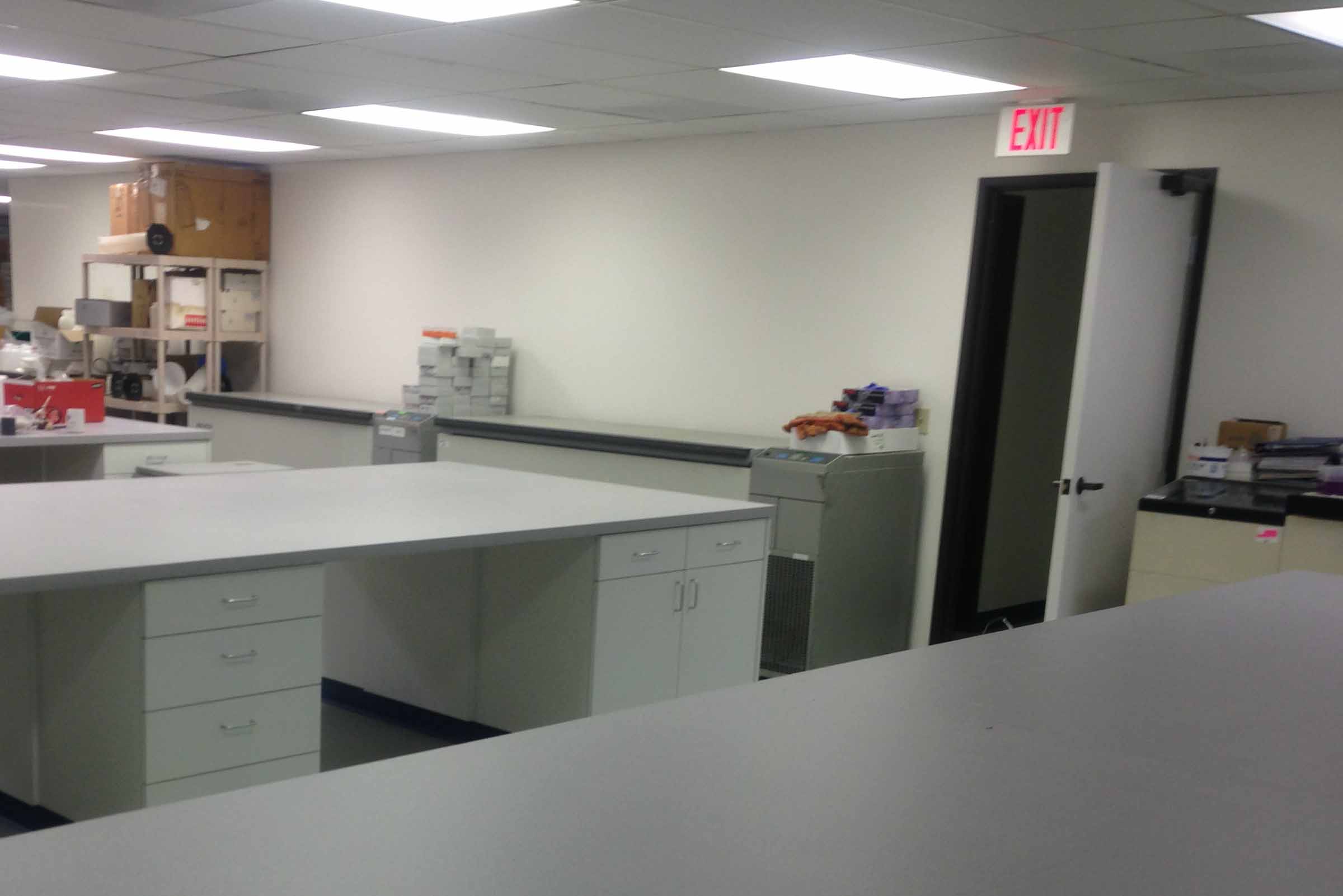
Firsr Floor Multipurpose Lab
We’re happy to announce that after a long construction and moving process, Allele Biotech has passed its final inspection hurdle and is now officially open for business at our new location, a two-story building we recently purchased on Nancy Ridge Drive. This facility is located at the heart of the Sorrento Mesa biotechnology cluster and contains two floors of brand new lab space to support production and R&D, plus plenty of room for expansion. We’re also welcoming two tenants, Nano CELLect and MesaTech, as well as the non-profit research institute we helped launch earlier this year, the Scintillon Institute (www.scintillon.org).
For our local colleagues and valued customers, please feel free to contact us to schedule a personal tour of our new facility and to meet with our esteemed group of experts who are always willing to discuss in person, your scientific needs
Keep an eye out on this blog for important dates, promotions and more news and photos from the new facility as we prepare for our upcoming open house! Hope to see many of you then if not sooner!
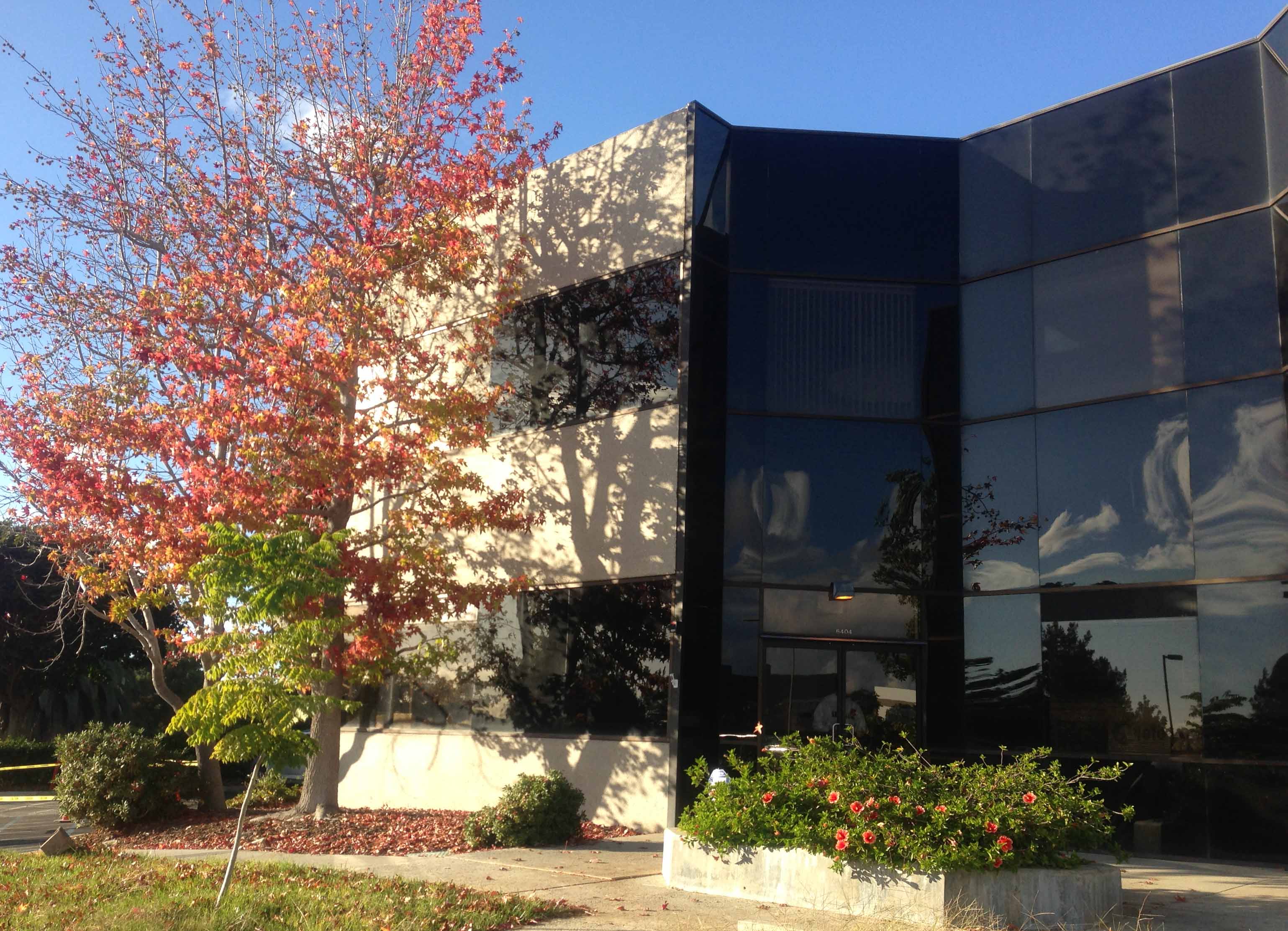
Allele Biotech Building Front
6404 Nancy Ridge Drive, San Diego, CA 92121

Monday, October 8, 2012

The 2012 Nobel Prize for Physiology or Medicine is Awarded to Cell Reprogramming Scientists

Monday Sir John B. Gurdon and Shinya Yamanaka shared this year’s Nobel Prize for physiology or medicine for work that revolutionized the understanding of how cells and organisms develop.

“By reprogramming human cells, scientists have created new opportunities to study diseases and develop methods for diagnosis and therapy.”

This is the 3rd time that a Nobel Prize is awarded on a technology that we chose as our area of research and made contributions to the field. The other two are RNA interference (2005) and fluorescent proteins (2008).