Showing posts with label iPSC. Show all posts

Sunday, March 23, 2014

Appearance of iPSCs–Different Reprogramming Stages within the Same Well

From AlleleBlog
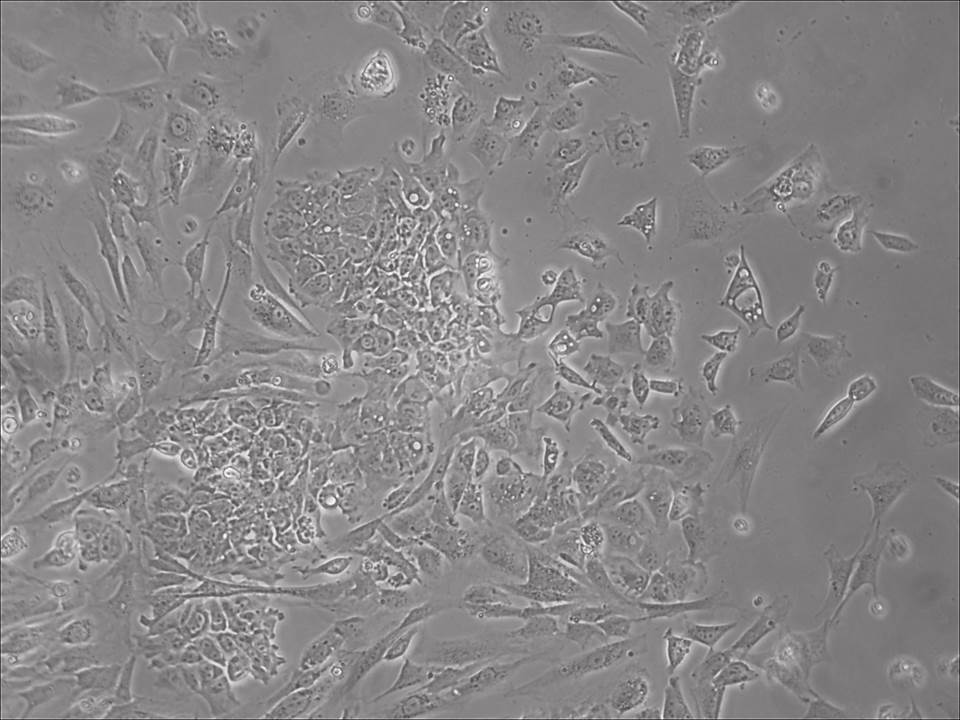
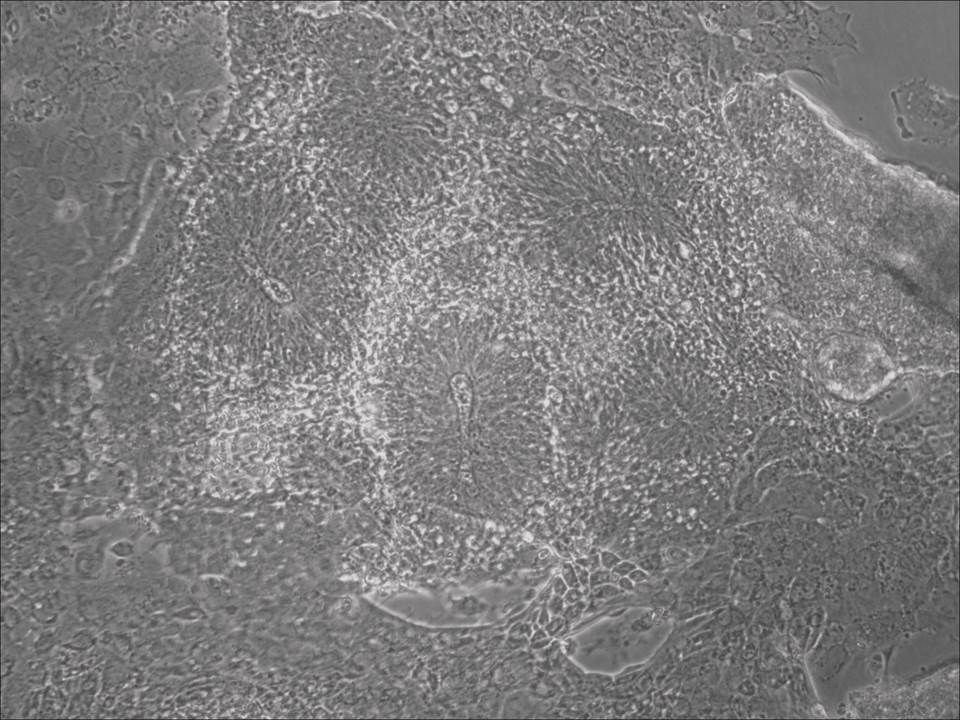
Previously scientists at Allele Biotech have reported near uniform conversion of human fibroblasts using our proprietary mRNA mixtures. The first picture below shows a well of cells after 7 days of growing fibroblasts with the new Allele mRNA mix.
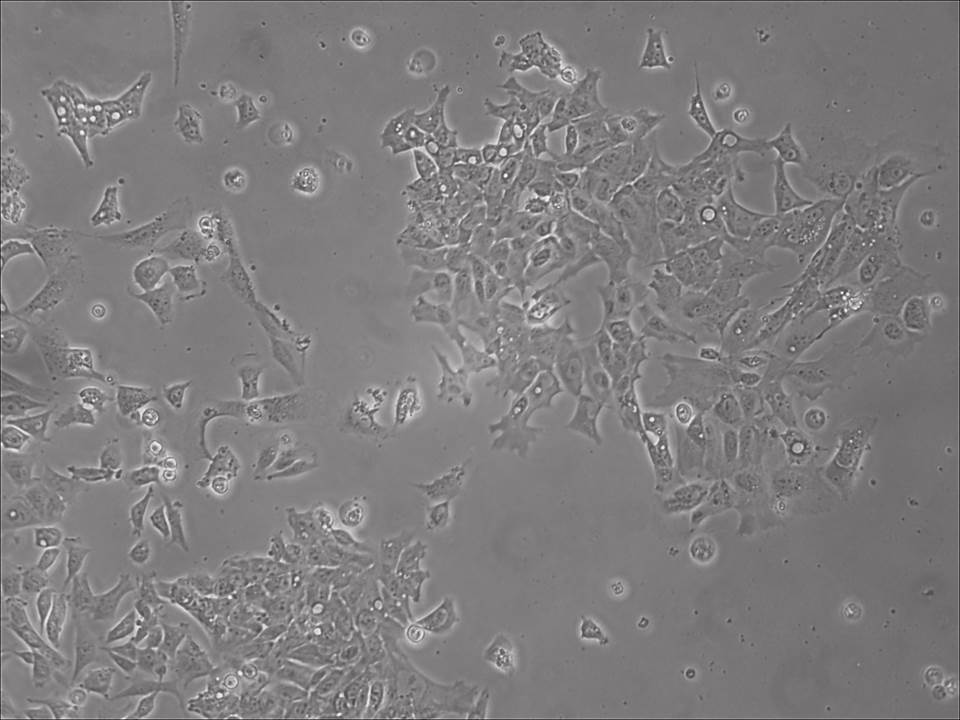
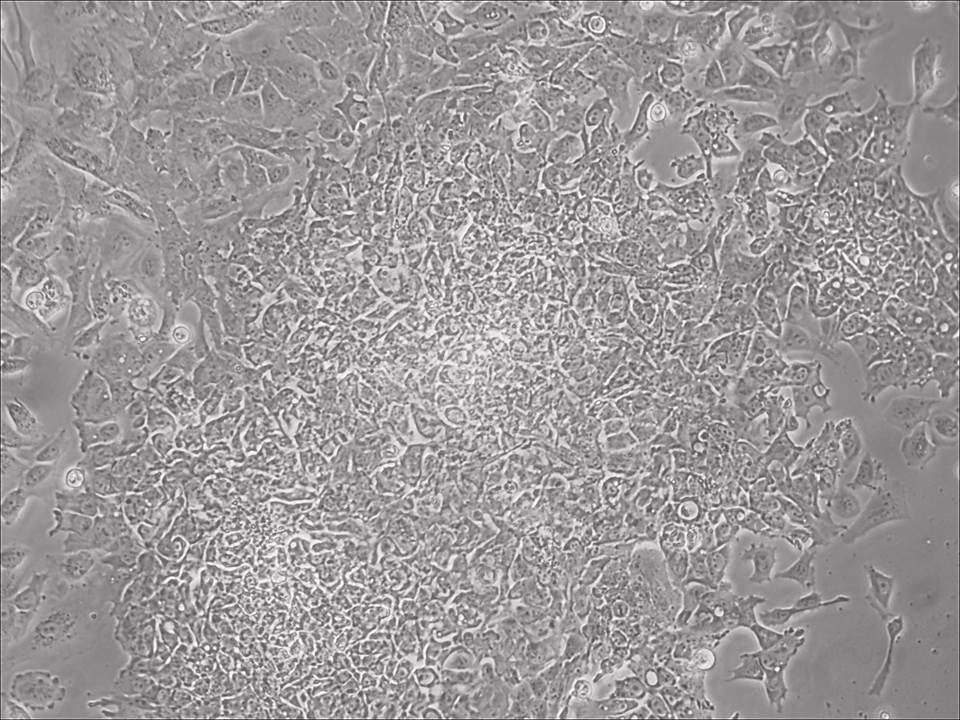
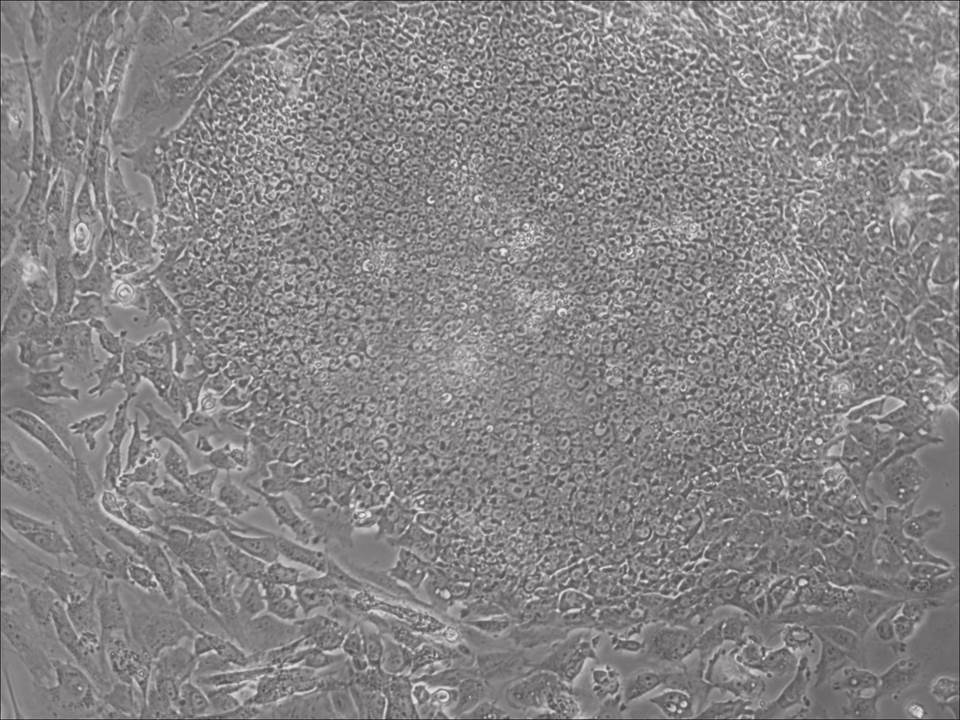
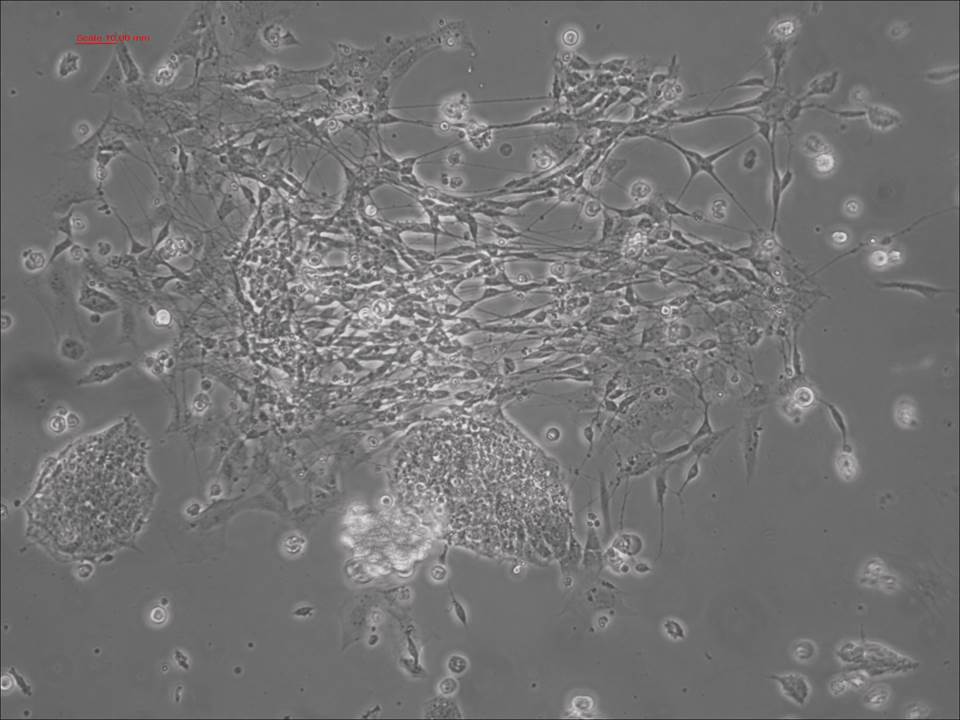
This month, by adjusting the mRNA dose while testing Allele’s own reprogramming medium formulation, we observed various stages of cells going through the transition in the same well (see pictures 2 to 5). All stages of reprogramming typically observed over a span of weeks can actually be seen within 1 well of a 6-well plate when we treated human fibroblasts at half the dose of our standard mRNA mix, on day 10, and using Allele Biotech’s new formulation of reprogramming medium.
(1) Warren, Ni, Wang, and Guo 2012 (pdf download)
Previous bulk conversion on Day 7 of reprogramming at full dose mRNA, improved upon our published efficiency (1)

iPSCs forming small colonies from single cells within a 24-hour time frame

Reprogramming en masse: post mesenchymal-to-epithelial (MET) transition cells start to become iPSCs without surrounding fibroblasts (as opposed to the above figure)

Large patches of cells that became iPSCs in what we call bulk-conversion

Large colonies become highly compact, with sharp edges, and composed of mature stem cells of small cell body and tight bundling

Wednesday, February 12, 2014

Picture Blog: A Short Path from Human mRNA-iPSCs to Neurons in Record Speed

Traditional differentiation protocols use embryoid body (EB) formation as the first step of lineage restriction to mimic early human embryogenesis, which is then followed by manual selection of neuroepithelial precursors. This procedure is tedious and often inconsistent. We have developed a novel neural differentiation scheme that directs human iPSCs (created with the Allele 6F mRNA reprogramming kit) that progressed, as attached culture, to neural precursor cells (NPCs) in just 4-6 days, half the time it typically takes by other methods. From NPCs it takes about another 5-6 days for neural rosettes to form (see figures below); upon passage, cells in neural rosettes differentiate into neurons in 24 hours.
The neural progenitors at the rosettes stage can be stocked and expanded, before differentiated into different types of neurons. We are working on specifically and efficiently different these neural progenitor cells into dopaminergic, glutamatergic, GABAergic, and other types of sub-types of neurons with Allele’s technologies (Questions? email the Allele Stem Cell Group at iPSatAllelebiotech.com).
Neural rosettes formed efficiently in wells without going through EB.
neural rosettes formed as attached cells in less than 2 weeks
Human iPSC-derived neurons are created in a short regimen developed at Allele Biotech
Neurons appear from precursor cells shortly after the rosette stage

Saturday, November 16, 2013

New Allele Biotech Publication on Stem Cells

Feeder-Free Reprogramming of Human Fibroblasts with Messenger RNA
Current Protocols in Stem Cell Biology • November 13, 2013
DOI: 10.1002/9780470151808.sc04a06s27
Authors: Luigi Warren, Jiwu Wang
This unit describes a feeder-free protocol for deriving induced pluripotent stem cells (iPSCs) from human fibroblasts by transfection of synthetic mRNA. The reprogramming of somatic cells requires transient expression of a set of transcription factors that collectively activate an endogenous gene regulatory network specifying the pluripotent phenotype. The necessary ectopic factor expression was first effected using retroviruses; however, as viral integration into the genome is problematic for cell therapy applications, the use of footprint-free vectors such as mRNA is increasingly preferred. Strong points of the mRNA approach include high efficiency, rapid kinetics, and obviation of a clean-up phase to purge the vector. Still, the method is relatively laborious and has, up to now, involved the use of feeder cells, which brings drawbacks including poor applicability to clinically oriented iPSC derivation. Using the methods described here, mRNA reprogramming can be performed without feeders at much-reduced labor and material costs relative to established protocols.
New Allele Product of the Month: FP-nAb™ products for 100% pull-down

Thursday, September 12, 2013

mRNA Delivery And the Next Wave of Regenerative Medicine

AlleleBlog: Published online by Nature Biotechnology, researchers from Ken Chien’s lab at Harvard and other coauthors showed that modified mRNA of VEGF-A injected intramyocardially resulted in the expansion and directed differentiation of endogenous heart progenitors. VEGF-A modRNA markedly improved heart function and enhanced long-term survival of recipients by directing epicardial progenitor cells toward cardiovascular cell types. This publication appears to be the first example of using mRNA as a delivery platform for cell fate-related therapy. AstraZeneca recently invested $240 million on mRNA-related delivery via Moderna, a company with roots within the Harvard stem cell group.
The drastically increased efficacy of using the mRNA platform was accredited to the pulse-like kinetics of mRNA expression profile. It was explained by the fact that native paracrine signals are often transient and precisely regulated in time and space, therefore the pulse-like expression profile of modRNA might be well suited to delivering paracrine-factor signals. Transfected mRNA molecules do not need to penetrate the nuclear membrane, which greatly enhances the efficiency of protein expression on a per transfected molecule over DNA. mRNAs turn over in a much faster pace than plasmid-mediated transgene expression. This is beneficial to many cell fate decisions as exemplified by this recent publication.
Allele Biotech’s reprogramming technologies, licensed by some of the leading stem cell therapy companies, are built around the mRNA platform. We chose mRNA as our core technology to not only change cell fate, but also direct differentiation. We know this platform is the future for cell fate manipulation because we have seen how robustly mRNA expression made the day-and-night difference in gene expression when compared to plasmid DNA (episomal or not), retrovirus, lentivirus, baculo virus, or even transfected proteins. We could convert human fibroblasts into iPSCs, in bulk, in as short as one week with no more effort than changing mRNA complex-containing medium.
Another recent development in iPSC research is in situ reprogramming. Abad et al. generated mice carrying a Tet-inducible cassette of the four cell-reprogramming factors. They then added feed doxycycline to the animals. After several weeks, teratomas appeared in various tissues, indicating that in situ reprogramming had occurred. The iPSCs created this way did not appear to have much advantage over in vitro produced iPSCs other than they are totipotent (helpful if you are studying placenta). Nevertheless, the concept of changing cell fate in situ as dramatically as complete reprogramming is an important leap of faith. As for the next big step, it is easy to see that mRNAs are well suited for in situ reprogramming, as well as transdifferentiation, and more complex gene delivery than the above mentioned VEGF-A alone in heart treatment.

Wednesday, June 19, 2013

Allele Biotech Receives $200,000 Grant to Update Its mRNA Reprogramming Commercial Products and Services

On June 10, 2013 Allele received an SBIR award from the National Institute of Drug Abuse (NIDA/NIH) entitled “Revolutionary Technology for Efficient Derivation of Human iPSCs with Messenger RNA”. The goal of the proposed project is to provide to the biomedical research market an advanced reagent kit and services for highly efficient reprogramming of high quality human induced pluripotent stem cells (iPSCs). At the core of this kit is the Allele team’s recent development transcribed messenger RNA (mRNA). Compared to other reprogramming methods, such as lentivirus, Sendai virus, protein, small molecules or any combinations of these reagents, our new generation of the mRNA method often requires less than half the time while sometimes achieving “bulk conversion” efficiency.
While the Allele reprogramming technology was designed for clinical use as the process is feeder-free, xeno-free, chromosome integration-free, as well as without the need for cell splitting, PI, Dr. Jiwu Wang states, “Our purpose of executing the NIH-funded research it to make our method so easy that any researcher can integrate iPSC into his or her projects.” In addition to the extremely high efficiency, mRNA-generated iPSCs should also be more stable because there are no genetic alterations, more uniform among all clones as there is no clonal event, and ultimately suitable for future autologous cell therapy now that creating iPSCs from patient tissue cells should no longer be the rate-limiting steps.
Allele’s business model is to provide cGMP-grade iPSCs to pharmaceutical companies and perform large scale reprogramming by partnering first with university-affiliated hospitals. Great progress has been made in both directions, which has prompted the initiation of a cGMP unit within Allele’s newly acquired building in San Diego.

Saturday, March 30, 2013

Allele Publishes mNeonGreen as the Brightest Monomeric Fluorescent Protein for Super-resolution Imaging

From AlleleNewsRelease: http://blog.allelebiotech.com/category/ips-and-other-stem-cells/page/2/

This week scientists from Allele Biotechnology and its partner non-profit research institute, the Scintillon Institute, present their latest fluorescent protein, mNeonGreen, in the journal Nature Methods (Nature Publishing Group). In the paper, entitled “A bright monomeric green fluorescent protein derived from Branchiostoma lanceolatum,” the scientists describe the development of the brightest monomeric fluorescent protein to date.
The scientific efforts to develop this novel fluorescent protein were led by Dr. Nathan Shaner, a leader in the field of fluorescent protein engineering. Fluorescent proteins are highly valuable research tools that allow the labeling and imaging of individual proteins within a living cell, and tracking of their movements and localization in real time through a microscope. However, since the discovery of the original green fluorescent protein in 1993, imaging technology has advanced rapidly beyond the capability of most fluorescent proteins. The newly described fluorescent protein, mNeonGreen, allows researchers to take full advantage of modern super-resolution optical microscopy techniques that enable visualization of structures in living and fixed cells at much smaller scales than are possible using traditional optical microscopy. This improvement will lead to countless new insights into human health and a greater understanding of protein interactions at very small distance scales within living cells. According to Dr. Jiwu Wang, the CEO of Allele Biotechnology, “Super-resolution imaging will become the standard for publication in a short period of time, and mNeonGreen allows researchers to meet this standard while still being compatible with the equipment and methods they already use.”
Prominent researchers within the fluorescent protein field are touting mNeonGreen as a replacement for jellyfish-derived Aequorea GFP, one of the most commonly used fluorescent proteins today. According to lead researcher Dr. Nathan Shaner, “mNeonGreen can be directly substituted for other green fluorescent proteins such as EGFP without the need for any equipment changes,” making the upgrade an attractive prospect for many researchers.
Allele Biotechnology and Pharmaceuticals Inc. is a San Diego-based biotechnology company specializing in the fields of RNAi, stem cells, viral expression, camelid antibodies and fluorescent proteins. The company has co-developed a number of fluorescent proteins and other products for PALM or STORM super-resolution imaging 3D-SIM, and STED imaging. With the arrival of mNeonGreen, Allele plans to collaborate with leading imaging labs, microscope manufacturers, and journals such as Nature Methods to further promote the advantages and capabilities of the latest imaging methods. Additionally, this announcement will coincide with the launch of a new super-resolution imaging web portal and plasmid depository via collaboration with the Scintillon Institute. The Scintillon Institute is a non-profit research institute established in 2012 using seed funding from Allele Biotech. The institute’s researchers are focused on the development of biological tools to improve human health and quality of life, including applications to cancer imaging, regenerative medicine, and sustainable energy and food production.
For details about Allele’s new Superresolution FP distribution method, read our departmental and institutional usage page.

Wednesday, January 16, 2013

Allele Biotechnology Initiates Project On Scaled Manufacturing Of Induced Pluripotent Stem Cells And Differentiation With Chinese Academics

AlleleBlog 01/16/2013 San Diego:
Allele Biotechnology has signed an agreement with Jinan University to develop culturing systems of stem cells and differentiation methods for producing skin tissue cells for wound treatment and stem cell therapy.
San Diego, California (I-Newswire) January 16, 2013 – Allele Biotechnology and Pharmaceuticals, Inc., a San Diego based company with a focus on new technology development, announced today that it has signed an agreement with the Biomedical Institute of Jinan University through a focus group to develop culturing systems of stem cells and differentiation methods for producing skin tissue cells for wound treatment. The joint team will also evaluate using stem cell therapy as potential treatment for arthritis, Lupus, and other autoimmune-related diseases.
Scientists from Allele Biotechnology recently described an important advance in the generation of stem cells capable of producing all the different tissues of the human body. Using messenger RNA molecules and without the need of viral vectors, animal products or feeder cells, this new method can be used to reprogram human fibroblasts into induced pluripotent stem cells (iPSCs). The efficiency is significantly improved over previously reported reprogramming results and the time required to complete reprogramming is slashed in half under optimal conditions.
The Biomedical Institute at Jinan University, a leading comprehensive research university in South China, has focused on translational research in the areas of epidemic diseases and autoimmune diseases. It has broad collaboration with partners and close connections to the biotech industry in China. It was known to have launched (licensed) a number of new biologics in China, and contributed to the understanding and diagnostics of the SARS epidemic in 2003. The institute has also been entitled as the national engineering research center of biopharmaceutics since 2005.
This collaboration will last for at least 2 years, and will go beyond the R&D stage with selected candidates moving into clinical trials, first in China, then in other countries. If the project reaches clinical trials it will be funded jointly by industry and academic partners in the range of $10 million USD.

Friday, December 14, 2012

American CryoStem Corporation (OTCQB:CRYO), announced the launch of its newest adult stem cell and adipose tissue collection center in Bellevue, Washington

From AlleleBlog: http://blog.allelebiotech.com/2012/12/american-cryostem-corporation-otcqbcryo-announced-the-launch-of-its-newest-adult-stem-cell-and-adipose-tissue-collection-center-in-bellevue-washington/

A public company doing business of preparing and providing adipose (fat) tissue and adipose derived adult stem cells, American CryoStem Corporation (OTCQB:CRYO), announced the launch of its newest adult stem cell and adipose tissue collection center in Bellevue, Washington. Dr. Fredric Stern will officially launch the new Stern Center Stem Cell Collection Service as the first to provide Adult Stem Cell and Tissue Banking services to the general public in the Seattle, Washington area.

“Having successfully worked with American CryoStem in the past we are truly excited about the official launch of these adipose tissue based services to the general public in Washington. I look forward to working with American CryoStem on educating my patients about the Regenerative Medicine benefits of “bio-banking” and the latest fat transfer cosmetic services now available at the center. I chose to affiliate my practice with American Cryostem because of their thorough scientific approach to stem cell banking and strict adherence to aseptic technique and FDA guidelines,” said Dr. Fredric Stern, the founder of The Stern Center and a plastic surgeon.

John S. Arnone, CEO said, according to a company news release, “We are excited to have a surgeon with Dr. Stern’s abilities and reputation associated with American CryoStem in the Seattle, WA area and look forward to a productive relationship with the entire Stern Center team. We remain committed to our “Gold Standard” clinical laboratory processing and storage reputation and strive to provide the best physician and patient services in the U.S. The newest stem cell collection center in our network represents our commitment to associate with leading physicians in the Regenerative Medicine Industry.”

Mesenchymal stem cells (MSCs) are typically the products of adipose tissue-isolated stem cells for regenerative medicine or, in this case cosmetic surgeries. The mesenchymal stem cells can also be isolated from bone marrow or embryos. They secret hormones once introduced into human bodies and help balance cytokines in the blood. It is reported that MSCs help reduce several disease symptoms and, in some countries, are used as “youth fountains” in anti-aging treatment. MSCs can be produced fairly easily, in our hands at least, from induced pluripotent stem cells (iPSCs). iPSCs, like embryonic stem cells, can be expanded indefinitely, differentiated into MSCs and all other cell types, and are being tested in various cell therapies including those that are mediated through the MSC stage.

Monday, December 10, 2012

NIDA Branch Chief, Jonathan D. Pollock, Ph.D., Encourages SBIR/STTR Grants on Reagent Kits Including iPSC

 From AlleleBlog:

“We’re interested in areas of genetics, in terms of smoking cessation, pharmacogenomics, treatment of substance abuse, and particularly right now, issues related to prescription substance abuse,” Jonathan D. Pollock, Ph.D., chief of the Genetics and Molecular Neurobiology Research Branch at NIDA’s Division of Basic Neuroscience and Behavioral Research, told GEN.
In addition to that solicitation, Dr. Pollock said, the branch is interested in supporting commercialization and development of products, resources, and services through SBIR/STTR relevant to brain research. They include protein capture reagents, proteomics, genomics, pharmacogenomics, molecular diagnostics, nanotechnology, gene delivery and viral vectors, identification of RNA and DNA sequences in formalin fixed nervous tissue, shRNA, microfluidics, epigenetics diagnostics, therapeutics, and tools to detect epigenetic modifications.
The branch is also looking to support commercialization and development of biomarkers, optogenetics, reagents for iPS and neural stem cells, technologies to uniquely barcode cell types, improved super resolution microscopy methods, in vivo gene expression imaging, automated sectioning, image acquisition and 3D reconstruction of electron micrographic sections, genetically encoded markers for electron microscopy, and “big” genomic and proteomic data, including data visualization, data contextualization, and data analysis.
“What we’re really looking for is products that you could basically commercialize coming out of research. These can be things that are either products or services. I think that there are opportunities, particularly for groups of individuals that have an idea, IP, and want to have a startup company.”
SBIR/STTR grants account for 2.8% of NIDA’s roughly $1 billion annual budget. NIDA spent $26.679 million on SBIR and STTR in fiscal year 2012, which ended September 30—up from $26.497 million in FY 2011. The number of SBIR/STTR research projects grants rose to 56 in FY 2012 from 44 a year earlier, according to the GEN article.
Allele Biotech’s CEO, Jiwu Wang, Ph.D., has worked with Dr. Pollock on a previous, VHH nanobody-related project under the NIDA SBIR program. He has just submitted a SBIR grant application based on Allele’s recently published mRNA-based reprogramming technology, after discussion with Dr. Pollock.

Monday, October 8, 2012

The 2012 Nobel Prize for Physiology or Medicine is Awarded to Cell Reprogramming Scientists

Monday Sir John B. Gurdon and Shinya Yamanaka shared this year’s Nobel Prize for physiology or medicine for work that revolutionized the understanding of how cells and organisms develop.

“By reprogramming human cells, scientists have created new opportunities to study diseases and develop methods for diagnosis and therapy.”

This is the 3rd time that a Nobel Prize is awarded on a technology that we chose as our area of research and made contributions to the field. The other two are RNA interference (2005) and fluorescent proteins (2008).

Sunday, September 16, 2012

Allele Biotechnology Announces New advance in production of human stem cells

This week in the journal Scientific Reports (Nature Publishing Group) scientists from Allele Biotechnology describe an important advance in the generation of stem cells capable of producing all the different tissues of the human body. In an article entitled “Feeder-Free Derivation of Human Induced Pluripotent Stem Cells with Messenger RNA,” Allele’s scientists present the fastest and safest method yet for converting ordinary human skin cells into “induced pluripotent stem cells” (iPSCs).
The scientific efforts were led by Dr. Luigi Warren, whose pioneering work on “footprint-free” reprogramming using messenger RNA was the foundation for Allele’s breakthrough. Through the united efforts of Dr. Warren and the scientists at Allele Biotechnology, his technique was re-engineered to increase cell conversion efficiency and eliminate any use of potentially unsafe reagents, while substantially reducing the time and effort needed to make stem cells. Dr. Warren believes that because of its advantages this technology “should become the method of choice for iPSC cell banking.”
According to Dr. Jiwu Wang, corresponding author on the paper and CEO of Allele Biotechnology, “This advance in stem cell derivation will enable both fundamental scientific research and clinical applications which has been the mission of Allele Biotechnology from its inception.”
Allele Biotechnology and Pharmaceuticals Inc. is a San Diego-based biotechnology company that was established in 1999 by Dr. Jiwu Wang and colleagues. A research based company specializing in the fields of RNAi, stem cells, viral expression, camelid antibodies and fluorescent proteins; Allele Biotechnology has always striven to offer products and services at the cutting edge of research.
Allele Biotechnology and Pharmaceuticals Inc.
Jiwu Wang, Ph.D., 858-587-6645 Ext 3
President and CEO
iPS@allelebiotech.com
fax: 858-587-6692
www.allelebiotech.com
Press release by BusinessWire. Also see Yahoo!News, Reuters, The Herald, etc.

Thursday, November 10, 2011

Development of Cell Lines from iPSCs for Bioassays

The reprogramming of differentiated somatic cells to pluripotency holds great promise for drug discovery and developmental biology. Using immortalized cell lines for drug screening assays has its limitations, such as questionable relevance; and the use of primary cells is often hindered by supply difficulties. Thanks to pioneering work by the Yamanaka, Thompson, and other groups, the feasibility of creating iPSCs has generated an opportunity to provide cell lines with stem cell properties in a virtually unlimited supply [1, 2]. These cells can be derived into different cell types for specific assays, even with patient- or genotype-specific background. Technologies are being developed to produce re-differentiated cells of a number of lineages.

Take cardiomyocytes as an example. There are a number of conventional methods for inducing stem cells into cardiomyocytes: through embryoid body (EB) formation, co-culturing with visceral endoderm-like cell line (END-2), and monolayer caridomyocyte differentiation with defined growth medium and protein factors [3]. A recent publication showed that using appropriate concentrations of BMP4 and activin-A in BSA-containing medium cardiomyocytes might be achieved from iPSCs or ESCs in about 6 days [4].

Transdifferentiation, or direct reprogramming, by introducing a group of 3 cardiomyocyte-specific factors, investigators could directly program cardiac or dermal fibroblasts into cardiomyocyte-like cells [5]. Although much refinement and characterization of these directly reprogrammed cardiomyocyte-like cells, termed iCMs, will be needed before the process can become widely used, this work raised the possibility of quicker and perhaps more efficient ways of generating cells for assays. Similar transdifferentiation has resulted in induced neuron (iN) cells, also by introducing 3 tissue-specific transcription factors [6]. Therefore, it seems that by using defined combinations of tissue-specific transcription factors it is possible to generate cells of different tissue types. It is also possible that by using different, developmental stage-specific transcription activator sets, transdifferentiation can be conducted in a stepwise way and make sure cells at each step is pure. This strategy may be particularly attractive if its efficiency can be improved by the techniques developed for iPSC creation. After all, reprogramming to pluripotency and transdifferentiation to different tissue types must share certain mechanistic steps in their respective processes.

In addition, it has been reported that by briefly overexpressing the Yamanaka iPS factors and controlling growth conditions, mouse fibroblasts could be transdifferentiated up to 40% in 18 days without reversing back to pluripotency [7]. It would be interesting to see if by transient expression of iPS factors via mRNA then switching to cardiomyocyte-specific transcription factors, we can increase the efficiency for direct reprogramming. Use of chromatin-modifying chemicals that were already shown to directly reverse and alter cell fates might also be used to assist direct reprogramming. We believe that a systematic approach for studying these reprogramming aspects should benefit the iPS fields.

1. Takahashi, K. and S. Yamanaka, Induction of pluripotent stem cells from mouse embryonic and adult fibroblast cultures by defined factors. Cell, 2006. 126(4): p. 663-76.
2. Yu, J., et al., Induced pluripotent stem cell lines derived from human somatic cells. Science, 2007. 318(5858): p. 1917-20.
3. Vidarsson, H., J. Hyllner, and P. Sartipy, Differentiation of human embryonic stem cells to cardiomyocytes for in vitro and in vivo applications. Stem Cell Rev, 2010. 6(1): p. 108-20.
4. Elliott, D.A., et al., NKX2-5(eGFP/w) hESCs for isolation of human cardiac progenitors and cardiomyocytes. Nat Methods, 2011.
5. Ieda, M., et al., Direct reprogramming of fibroblasts into functional cardiomyocytes by defined factors. Cell, 2010. 142(3): p. 375-86.
6. Pang, Z.P., et al., Induction of human neuronal cells by defined transcription factors. Nature, 2011. 476(7359): p. 220-3.
7. Efe, J.A., et al., Conversion of mouse fibroblasts into cardiomyocytes using a direct reprogramming strategy. Nat Cell Biol, 2011. 13(3): p. 215-22.

New Products of the week: T7 RNA Polymerase, high quality for demanding in vitro transcription requirements.

Promotion of the week: GFP-Trap, buy 2 of any package and get 1 of equal or less value free. Use code FreeTrap, follow deals quickly on Facebook.
Saturday, October 29, 2011

Creating ground-state human iPSCs

AlleleBlog
Murine pluripotent stem cells can exist in two distinct states, blastocyst-derived LIF-dependent embryonic stem cells (ESCs) and epiblast-derived bFGF-dependent stem cells (EpiSCs). Murine ESCs and similar iPSC lines are more of the “ground-state” in terms of developmental status, as reflected by the lack of X chromosome inactivation in female cells and their abilities to pass as single cells. Human iPSCs, like human ES cells, are more similar to mouse EpiSCs. Unfortunately these human pluripotent stem cells are difficult to genetically manipulate, e.g. knockin or knockout. They also grow slowly, with doubling time averaging 36 hours. In order to create ground-state human iPSCs, several approaches have been tested, including reprogramming iPSC-derived fibroblasts, continuously expressing 5 iPS factors (Oct4, Sox2, Nanog, c-Myc, and Klf4), or using chemicals to inhibit chromatin modifying enzyme HDAC. While these approaches succeeded to certain degrees, the resulting cell lines seem to have some limitations, such as limited passage numbers.

Retinoic acid (RA) signaling is involved in many aspects of embryonic development. RA receptor (RAR), together with one of its heterodimerization partners, steroid hormone receptor Lrh-1, was recently found to be able to synergize with the 4 common iPS factors (Oct4, Sox2, Klf4, and c-Myc) to induce mouse and human fibroblasts into ground-state iPSCs. The pluripotent cells created by the so-called F6 factor combination show no X chromosome inactivation if from female origin, can fully activate the endogenous Oct4 promoter, express Rex1 (which is specific to mouse ESCs, not EpiSCs), and grow with a 16 hour doubling time. All these mouse ESC-like features were achieved without detectable expression of the exogenous factors once iPSC colonies formed, indicating transient F6 expression is capable of effectively initiating endogenous stem cell factors. Remarkably, these stem cells can maintain their undifferentiated status in mouse ESC medium for 50 passages or more. This work, published this month in Proceedings of National Academy of Science USA [1], provided the stem cell research and application field with a very desirable choice of human stem cells.

As opposed to ~16 days with F4, it appears that the time required to induce adult fibroblasts into pluripotent stem cells is as short as 4 days if F6 factors are introduced on a murine stem cell virus (MSCV) vector with an integrated piggyback transposon. As the authors noted in their discussion, the speed-up benefit should be particularly advantageous for transient transfection approaches such as mRNA reprogramming. The bottom line from this paper and the engineered factor papers (see the previous AlleleBlog article under “iPS and other Stem Cells”) is that iPSC reprogramming is only going to get faster, which means that hopefully in the near future creating iPSCs will become a routine experiment as easy as a simple transfection.

Wang, W., J. Yang, et al. (2011). “Rapid and efficient reprogramming of somatic cells to induced pluripotent stem cells by retinoic acid receptor gamma and liver receptor homolog 1.” Proc Natl Acad Sci U S A.

New Products of the week: ARCA, modified cap analog for in vitro transcription of mRNA.
Promotion of the week: Friday special this week, 15% off all iPS viral particle products if using code “ViraliPS” when ordering online at allelebiotech.com, by email, or fax.

Sunday, May 29, 2011

Mouse and human cells can both be reprogrammed with one cluster of specific miRNAs


The miRNA302/367 cluster was first found to be a direct target for the stem cell-specific factors Oct4 and Sox2, recently Anokye-Danso et al. showed that by overexpressing this miRNA cluster mouse and human cells can be reprogrammed without the OSKM factors. Moreover, according to the publication in Cell Stem Cell, miRNA-mediated reprogramming is “up to two orders of magnitude” more efficient than OSKM overexpression (but the authors used individual Oct4, Sox2, Klf4, and c-Myc lentiviruses, instead of a polycistronic virus such as Allele’s lenti-iPS-4-in-1).
To reprogram mouse embryonic fibroblasts (MEFs), suppression of chromatin remodeling factor Hdac2 is necessary when using miRNA for iPSC isolation. Surprisingly, the Hdac2 level is low in human fibroblasts, which do not need an Hdac inhibitor such as valproic acid (VPA) for reprogramming. Oct4-GFP positive cells (stem cells) are observed only 7 days post infecting MEFs with the miRNA302/367, and hundreds colonies appear per 10 thousand cells. When using human fibroblasts, iPSCs form at 18 to 26 days, at an efficiency of approximately 10%, which is significantly higher than using individual OSKM viruses.
The high efficiency from using miRNA for reprogramming is likely due to the fact that miRNAs can target hundreds of mRNAs, compared to providing one mRNA at a time. Although this study concluded that the miRNA302/367 expressing lentivirus was eventually silenced post stem cell induction, emphasis must still be placed on finding a non-integrating method to deliver this miRNA cluster.
New Product of the Week: Chemically synthesized miRNAs by your own design, email oligo@allelebiotech.com for details.
Promotion of the week: Promotion of the week: save 10% on AlleleBalanced Luciferase Assay Kits. Email the code Luc10 to abbashussain@allelebiotech.com to redeem this offer.

Sunday, May 22, 2011

mRNA Transfection for Better Transgene Expression

Different approaches have been developed to over-express or ectopically express a protein in cells: peptide or full length recombinant protein transfer, viral gene transfer, non-viral DNA transfer and non-viral mRNA transfer.
1) Peptide transfection can be efficient, yet it is limited to only a small part of the protein, limiting the functional potential. Protein transfection is not consistent enough so far, because of the complicated properties of different proteins. Allele Biotech has tested dozens of proteins with several proprietary reagents, leader peptides, etc. but we have decided not to carry a protein transfection product line due to its instability. Furthermore, protein production is an expensive and laborious process.
2) Viral gene transfer is very effective, such as the HIV-based lentivirus or MMLV-based retrovirus, adenovirus, adeno-like virus or baculovirus, etc. However, the potent side-effect will still need to be considered for certain applications, especially involving clinical studies. Nevertheless, as research tools, viral gene transfer is still a highly preferred method. Allele Biotech has been providing the most effective platform for both MMLV-based and HIV-1-based retrovirus packaging. Check out our product website for details.
3) Non-viral DNA transfer is the most widely used transgene method in the biological research community, due to the simplicity of the procedure. There are many commercial kits on the market. However, the low efficiency for transfecting most primary cells significantly limits their use. In recent years, several leading biotech companies have developed various electroporation systems to improve the transfection efficiency and cell viability; although these improvements help with getting DNA inside the cytoplasm, they hardly help transport it into nucleus where DNA is transcribed.
4) Non-viral mRNA transfer has been around for a long time, but it is not widely used. It made a big splash recently through its use for iPSCs reprogramming. IPSCs factor mRNAs greatly improved the iPSCs induction efficiency and completely avoided the viral integration. Other well-known examples of mRNA transfection include loading special cancer antigens or HIV antigens to dendritic cells (DCs) in vitro for personal immunotherapy. PSA antigen expressing DCs transfected by mRNA has moved on to Phrase I Clinical Trials for this purpose.
New Product of the Week: 3C protease immobilized on beads for GST, His tag removal, email oligo@allelebiotech.com for details.
Promotion of the week: 10% off on all fluorescent proteins. To redeem, email oligo@allelebiotech.com along with PROMO code: JELLYFISH

Thursday, May 20, 2010

Telling Good iPSCs from Bad iPSCs

Since its discovery pluripotent stem cells (iPSCs) have been known to differ somewhat from embryonic stem cells (ESCs) in term of gene expression profiles. It also appears that only a small percentage of iPSCs have the full potential of stem cells defined by being able to develop into adult animals. Instead of a global pattern of variations, surprisingly, the difference between iPSC and ESC was found to localize in a small region of one chromosome in mouse, 12qF1, which could account for most iPS cells’ lack of complete pluripotency (Stadtfeld et al, Nature 2010). In this region resides an imprinted gene cluster that includes 2 non-coding genes, Gtl2 and Rian, that remain silenced in most iPSCs. The underlining mechanism is hypermethylation and hypoacetylation, resulting in “paternalizaition” of the region. The effects are manifested around the mid-gestation stage.

By adding histone deacetylase inhibitor valproic acid (VPA) the silenced gene cluster may be reactivated and the iPSCs so treated show increased Gtl2 expression and ability to give rise to normal embryos. Expression of other imprinted genes showed clone-to-clone variations, as was previously reported by a number of groups, but no consistent differences between ESCs cells and iPSCs. Therefore, by analyzing the expression levels of just two genes, Gtl2 and Rian, the potential of iPSCs to be fully pluripotent can be assessed.

The relationships between stem cell status and epigenetic repressions also include the recent finding that Oct4 and Sox2, which are both germ cell-specific and critical reprogramming factors, may be implicated in the regulation of Xist and Tsix RNAs that control epigenetic silencing of X chromosome in female embryos.

New Product of the Week 05-17-10 to 05-23-10: RT-PCR primer set, ABP-SC-iPSh4NX $49, for identifying exogenous iPS factor expression from 4-in-1 iPS lentivirus

Promotion of the Week 05-17-10 to 05-23-10: $85 off IceCube dry bath 0-75C variable temp

Friday, May 14, 2010

Mouse induced pluripotent stem cells (iPSCs) differ from embryonic stem cells with aberrant silencing of imprinted genes on chromosome 12qF1

rom AlleleNews http://www.allelebiotech.com/News//index.php?mod=article&cat=iPSStemCells&article=537

Not all iPS cells can develop into adult animals, and one of the main reasons seems to be that regions of chromosomes remain silent in most iPSCs, according to a recent Nature paper by Hochedlinger and colleagues. "We found that a segment of chromosome 12, containing genes important for fetal development was abnormally shut off in most iPSCs," Hochedlinger said in a press release. "These findings indicate we need to keep improving the way we produce iPSCs and suggest the need for new reprogramming strategies." It sounds like that reprogramming typically employed to reverse differentiation fails to activate come imprinted genes. It would make sense to include factors that can help activate imprinted genes to the reprogramming mix to have "better" iPS cells.
The good news is that by using the only 1 out of some 60 iPSC clones, this group of researchers was able to create an adult mouse. They will now look into whether human iPSCs have similar properties as their mouse counterparts.
Original publications: http://www.nature.com/nature/journal/vaop/ncurrent/full/nature09017.html
BioTechniques Review : http://www.biotechniques.com/news/Induced-pluripotent-stem-cells-create-first-living-animal/biotechniques-273626.html
Allele News

Friday, January 29, 2010

Monitoring the Undifferentiated Stage of Stem Cells—the Pluripotency Markers

Human embryonic stem (ES) cells or induced pluripotent stem (iPS) cells promise to serve as an unlimited source for transplantation or tissue-specific differentiation. However, obtaining and maintaining stem cells are very difficult tasks for multiple reasons. For instance, most stem cell lines tend to spontaneously differentiate in culture, and even if the cells form stem cell-like colonies, they may be of a heterogeneous population.

To identify pluripotency of stem cells, expression of stem cell-specific marker genes (i.e. Oct-3/4, Sox2, Nanog, Rex-1) is monitored by RT-PCR. Alkaline phosphatase activity and methylation profiles of promoters of pluripotency-relevant genes are often analyzed as well. Compared to murine cells, it is noticeably more difficult to obtain human iPSCs, of which stem cell-like colonies sometimes turn out not to be pluripotent cells. We highly recommend testing iPSCs, especially human iPSCs, with antibodies against stage-specific embryonic antigens such as SSEA-3, SSEA-4, TRA-1-60, and TRA-1-81.

Clink here to read what research reagents are available from Allele Biotech

New product of the week 01-25-10 to 01-31-10:

All-In-One-Vector: Human OSKM Lentiviral Paticles, with Oct-4, Sox-2, Klf, and c-Myc all expressed from a single virus, ready-to-use.

Promotion of the week:

human iPS cell detection primer set, the same as the landmark Yamanaka paper [4] on creating human iPS for the first time.

Wednesday, November 18, 2009

Allele Biotech Pre-Announces its Product Line in iPSC Creation Using Baculoviral Vectors

As a new approach of establishing novel product lines and generating feedbacks and potential interests early on, Allele Biotech has started disclosing its intended/ongoing research plan on AlleleBlogs or through AlleleNews. This week, Allele Biotech has listed the main points that it intends to accomplish by developing a baculovirus-based iPS cell generating system to complement its existing lentiviral and retroviral vector systems for iPSCs. The plan was part of a grant proposal presented to the NIH during the stimulus grant rounds in mid-2009. There has also been interest on relevant service from Allele Biotech’s customers. The time for market launch is expected to be by the end of this year.

Allele Biotech R&D team welcomes any suggestions and discussions on the research plan and the resulting products. Comments can be made at the blog, through comments on this news, or directly to us through emails.

Thursday, September 24, 2009

Retroviral Vectors with Integrated oriP/EBNA1 for IPSC

The new product of the week of Sep 21-27 is the retrovirus plasmid sets that contain a built-in episomal expression system. As we have discussed previously, OriP/EBNA1 system originated from Epstein-Bar virus, which allows the establishment of stable episomes at 5-20 copies per cell, and duplication once per cell division.

By using the oriP/EBNA1 episomal system, reprogramming cDNAs can be expressed at prolonged time period in reference to plasmid transfection, without integration into chromosomal DNA. A paper published in PLoS One on Sep 18, 2009 by Marchetto et al. showed that by using such a system (on different plasmids) the authors were able to create induced pluripotent stems cells (iPS cells,) effectively from human embryo neural precursor cells.

The Allele pCHAC-EBNA system has dual functions: it can be ready-to-use plasmids for episomal expression of Oct4, Sox2, c-Myc, Klf4, or Nanog and Lin28 by a simple transfection into target cells; it can also be packaged into retroviruses by transfecting into the Allele Phoenix Retrovirus packaging Eco or Ampho cells. This product group is officially launched today. It should become a highly convenient and unique tool for iPSC-related studies.